

Need for Digital Transformation
To remain relevant and competitive in today’s market, businesses of all sizes must embrace digital transformation. However, for a small business with a limited budget, it may appear to be a daunting task.
However, you simply cannot overlook the advantages of implementing the right technologies in your business. It will assist you in increasing efficiency, lowering costs, increasing productivity, improving customer experience, and, ultimately, increasing profits.
What is Digital Transformation?
This is the process of using digital technologies to transform existing traditional and non-digital business processes and services, or to create new ones, in order to meet evolving market and customer expectations, radically altering how businesses are managed and operated, as well as how value is delivered to customers.
Digital transformation is transforming traditional roles such as sales, marketing, and even customer service. It goes beyond businesses trying to keep up with changing market demands and stay ahead of the competition. Customer engagement is the only factor that begins and ends digital transformation.
The four main areas of digital transformation; –
- Process;
- Technology;
- Data and
- Organizational change.
The 3 main components of digital transformation are; –
- Rebuilding operations;
- Rebuilding customer relationships and
- Rebuilding procedures.
Now that you know what it means, let’s look at some of the benefits and ways to successful digital transformation in business.
The Benefits of Digital Transformation
While each digital transformation initiative will have its own set of objectives, the overall goal of any digital transformation is to improve your current processes. Companies must evolve in order to remain competitive in their industry, which necessitates digital transformation.
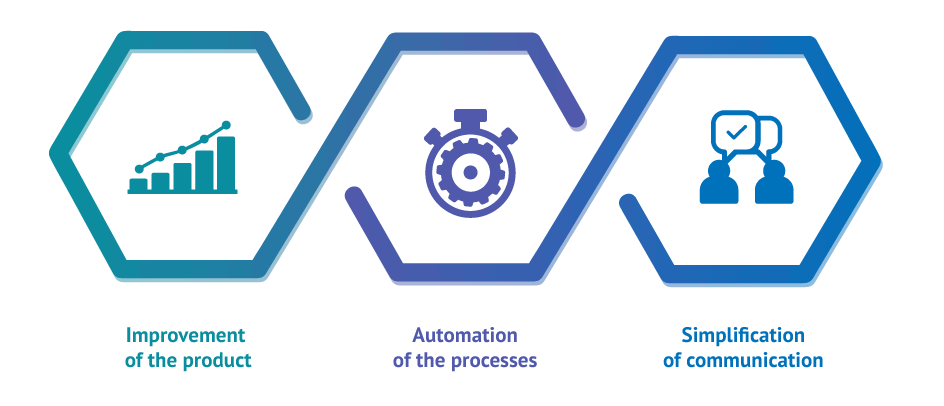
Digital transformation is critical because it enables organizations to adapt to ever-changing industries and continuously improve their operations.
1. Increases overall efficiency
Integrated and connected technologies such as sensors, app-based controls, analytics, edge computing, and smart machinery can help to increase efficiency. They provide intelligent automation and data insights that have a significant impact on overall performance.
2. Increased productivity
Businesses can do more with less thanks to digital technology. Businesses can achieve higher yield with less energy, fewer materials, and fewer workers by implementing IoT-enabled tracking, automated production lines, data analytics, and predictive maintenance.
3. Increased Employee Engagement
Businesses can greatly benefit from digital transformation by upskilling their employees. To get the most out of new technology, employees must be involved throughout the implementation process and adequately trained to use it. Employees are more likely to feel motivated and valued by the company when the company invests in their development, resulting in higher employee retention rates.
4. Better customer experience
The way businesses interact with their customers has changed as technology has advanced. As a result, it enables businesses to provide a more consistent and better experience in meeting the needs of their customers.
Nowadays, speed is an important component of providing a satisfying customer experience. As a result, a company that embraces digital transformation has a better chance of quickly engaging and serving its customers.
5. Enables digitization of products/services
Technological advancements contribute to changes in consumer behavior. Customers nowadays want things done faster than usual, and they buy from companies that can meet their needs.
Companies can meet the needs of their customers by converting tangible goods into digital goods through digital transformation.
6. Reduced Costs
As a result of digitalization, processes become more efficient and optimal, allowing businesses to reduce operating costs and errors while ensuring proper operation and goal achievement.
Furthermore, because employee workload will be reduced, they will be able to refocus their time on more important tasks, resulting in innovations and process improvements.
How can you build a digital transformation strategy?
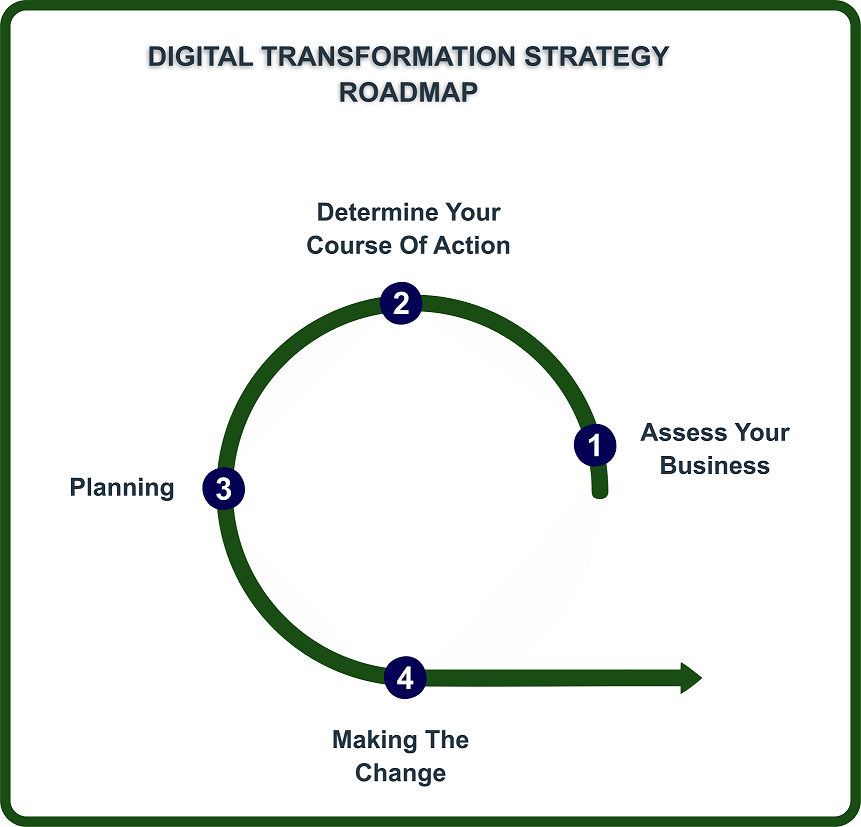
A digital transformation strategy is a critical document for a company that is new to digital transformation. It includes an outline of the enterprise’s digital initiative as well as business objectives. When developing this document, it is important to keep these steps in mind.
1. Assess your business
Simply watching what your competitors are doing is the first step toward digitalizing your business. Begin by researching the strategic moves of your competitors.
- What exactly is their digital strategy?
- Is digitization having a positive effect on their company?
- What are the customers’ expectations?
- Will the industry be impacted by continued digitization?
These are critical questions that must be addressed before venturing into the world of digital transformation.
2. Determine your course of action
After you have completed your business assessment, determine how you compare to your direct competitors. You should also understand your position in your industry.
Assess all of your internal operations and devise a plan of action based on the operational model you choose.
- Which operations must be prioritized first?
- What analytics must be considered?
All of this lays the groundwork for the next step.
3. Planning
Once you’ve decided on a course of action, divide it into concrete and tactical steps. Plan your strategy after taking into account all of the available resources and the timeframe. This step entails meeting with technology enablers who have domain expertise, researching the various digital environments that can work for your company, and closing any technological gaps.
4. Making the change
The change from outdated IT processes to a new cloud-based digitized ecosystem is a time-consuming process. To avoid data loss or system failures, you must gradually transition to the future infrastructure and platform while keeping the current ones operational.
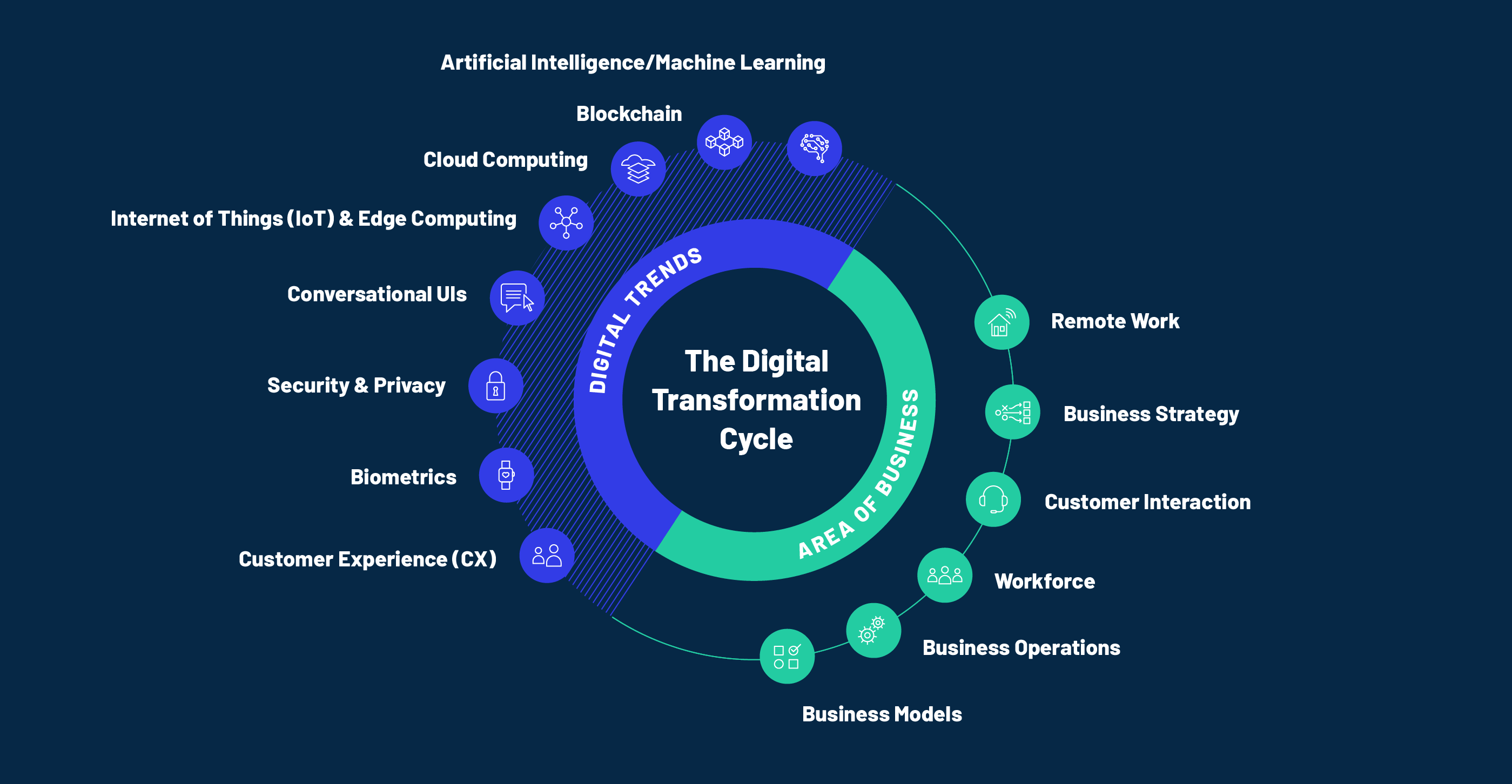
2021 Digital Transformation Trends
During this pandemic period, digital transformation accelerated across many industries, and we will continue to see rapid growth of digital initiatives across various industries globally.
Here are some digital trends to keep an eye out for this year:
Conclusion
To ensure your continued growth in the face of market uncertainty, you must develop a digital transformation strategy. Be realistic when evaluating your company and identifying growth opportunities.
Implement a strong digital transformation platform that is scalable and adaptable to market changes to ease the transition.
Recognize that developing new processes will have an impact on your digital transformation, so be prepared to tweak and improve your strategy as you adapt and change your methods.